Need Root Canal Therapy?
Root Canal Therapy
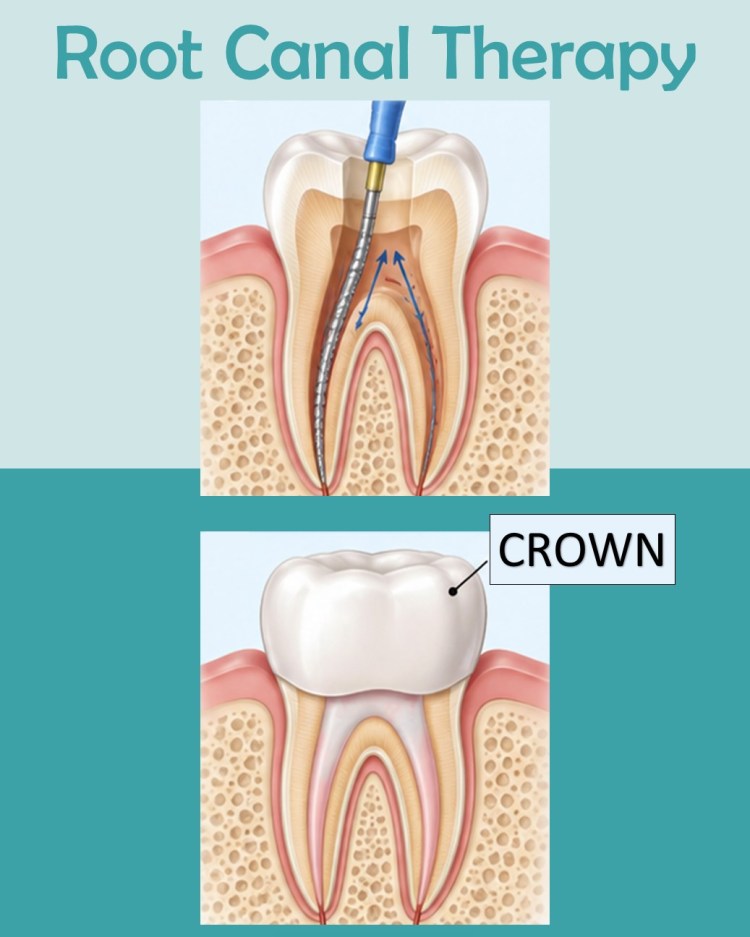
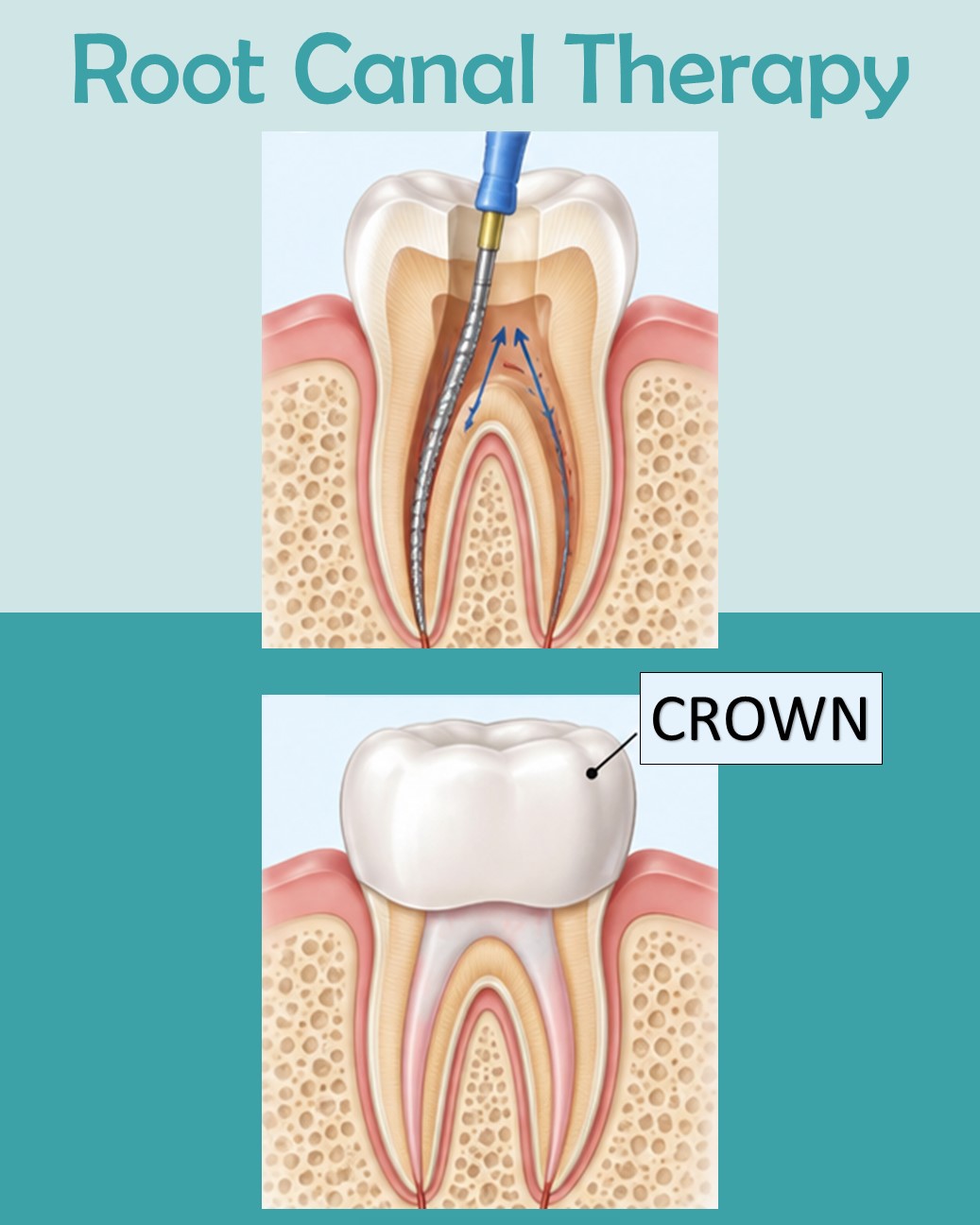
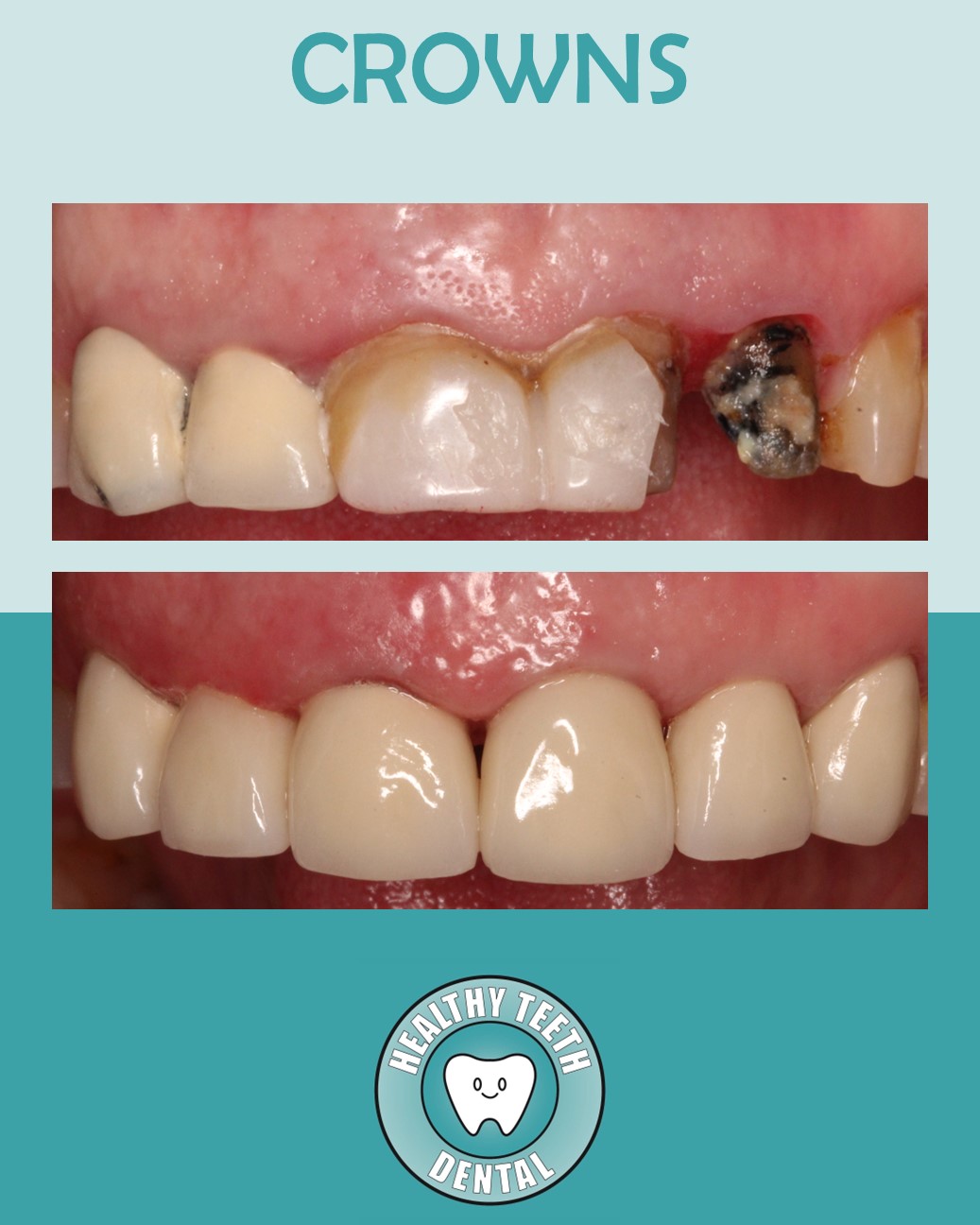
Root canal therapy can help save a damaged or infected tooth and relieve pain caused by inflammation or infection inside the tooth. At Healthy Teeth Dental in Anaheim, CA, we evaluate tooth pain and determine whether root canal treatment is needed to preserve your natural tooth. During root canal therapy, the infected or damaged tissue inside the tooth is carefully removed, the root canals are cleaned and disinfected, and the tooth is sealed to help prevent reinfection. After root canal therapy, a dental crown is placed to protect the tooth, restore its strength, and help prevent future fracture.
If you have a severe toothache, lingering sensitivity to hot or cold, pain when biting, or swelling around a tooth, contact Healthy Teeth Dental in Anaheim for an evaluation. Call 714-956-8221 to schedule an appointment.
Treatment for Dental Emergencies
What are some signs and symptoms that I may need root canal therapy?
Root canal therapy may be needed when the pulp inside a tooth becomes inflamed or infected. This can happen because of deep decay, a cracked or damaged tooth, a failing filling, or trauma to the tooth. Common signs and symptoms that may indicate the need for root canal treatment include:
- Severe or persistent tooth pain
- Pain when chewing or biting
- Lingering sensitivity to hot or cold
- Swelling or tenderness around the tooth
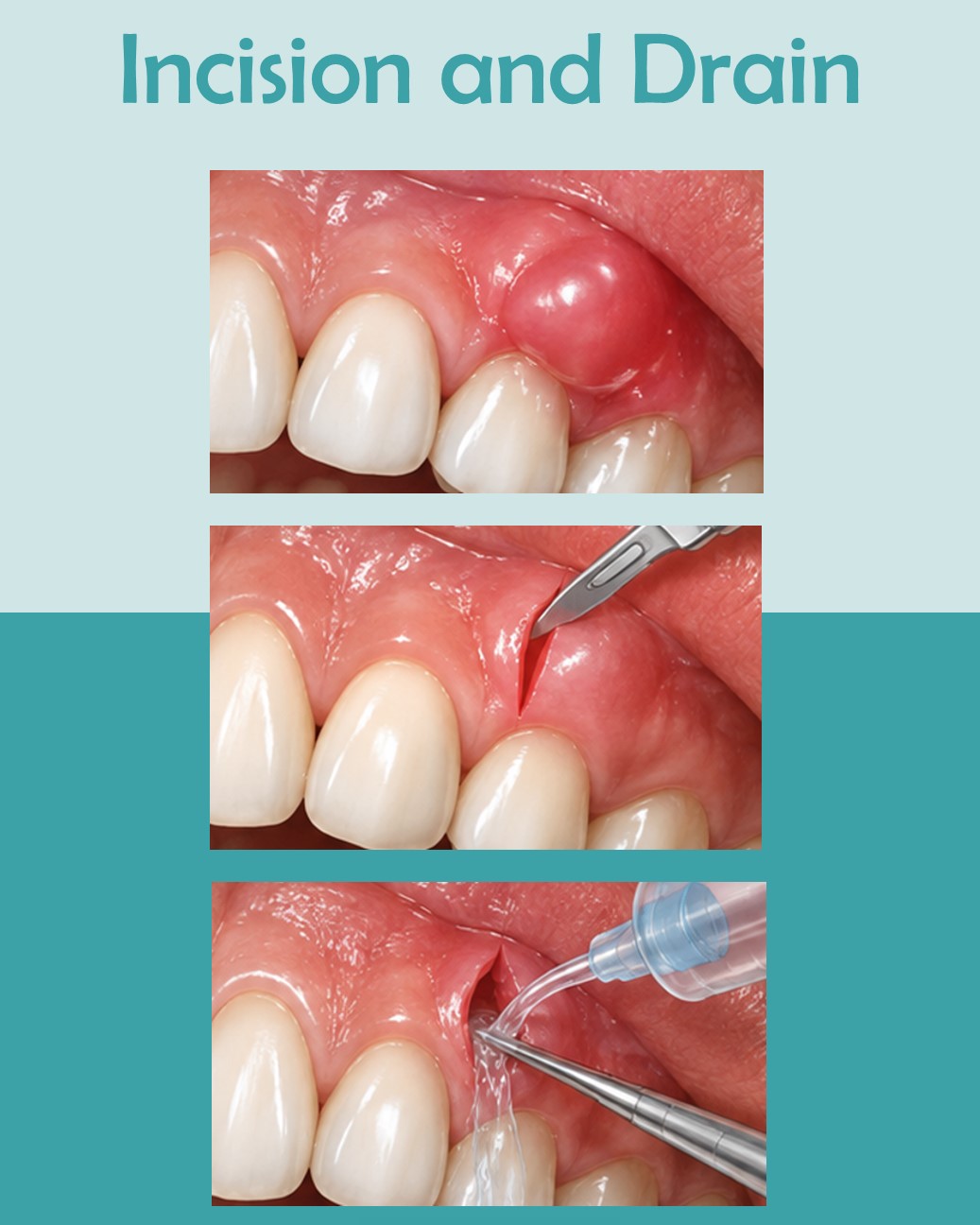
- A pimple or bump on the gums
- Darkening or discoloration of the tooth
Some infected teeth cause few or no noticeable symptoms, which is why a dental examination and X-rays may be necessary to determine whether root canal therapy is needed.
What happens during root canal therapy?
At Healthy Teeth Dental in Anaheim, CA, root canal therapy is used to save a tooth when the tissue inside has become infected or severely damaged. After making sure the tooth is thoroughly numb, your dentist accesses the inside of the tooth and removes the affected pulp. The root canal spaces are then carefully cleaned, shaped, disinfected, and sealed with a biocompatible material called gutta-percha. Once root canal treatment is complete, a dental crown is placed to strengthen the tooth, protect it from fracture, and restore normal function. Despite its name, a root canal procedure does not remove the roots of your tooth—the roots and natural tooth remain in place. Because the tooth is still susceptible to cavities and gum disease, daily brushing and flossing along with regular dental checkups remain important after treatment.
What is the recovery process from root canal therapy?
Recovery after root canal therapy is usually straightforward, and most patients can return to their normal daily activities shortly after treatment. At Healthy Teeth Dental in Anaheim, CA, we recommend waiting until the numbness has completely worn off before eating to avoid accidentally biting your cheek or tongue. It is normal for the treated tooth to feel mildly tender or sensitive for a few days following a root canal procedure. Until your permanent dental crown is placed, avoid chewing hard, crunchy, or sticky foods on the treated tooth to help protect it from fracture or damage. You can continue brushing and flossing normally while taking extra care around the treated area. Once your permanent crown is placed, the tooth is protected and restored so you can gradually return to normal chewing. If you experience significant pain, swelling, or other concerns after root canal treatment in Anaheim, contact Healthy Teeth Dental for an evaluation.
How do we manage pain after root canal therapy?
It is normal for a tooth to feel tender or sensitive for a short time after root canal treatment, especially when chewing or biting. This discomfort typically improves as the area around the tooth heals. Over-the-counter medications such as ibuprofen (Advil) or acetaminophen (Tylenol) can help control post-treatment soreness when taken as directed. Depending on your health and your dentist’s recommendations, these medications may sometimes be used together for additional relief. If your pain becomes more intense, swelling develops, or the tooth is not improving after several days, contact your dentist so the area can be evaluated.
714-956-8221

We want our website to be accessible to everyone. If you have difficulty using any part of this site, please call (714) 956-8221 or email healthyteethdental@yahoo.com so we can assist you. We continuously improve our site’s accessibility and welcome your feedback.
